
Bing’s Evolution: A New Look at Search Ads
As the digital landscape continuously evolves, major players are constantly adapting their strategies to enhance user experience and maximize advertising efficiency. Recently, Microsoft launched a test phase for a revamped design for search ads in Bing that mirrors Google’s recent changes. This potential shift could significantly impact how users interact with sponsored content and reshape campaign strategies for marketers.
The New Design: Grouping Sponsored Results
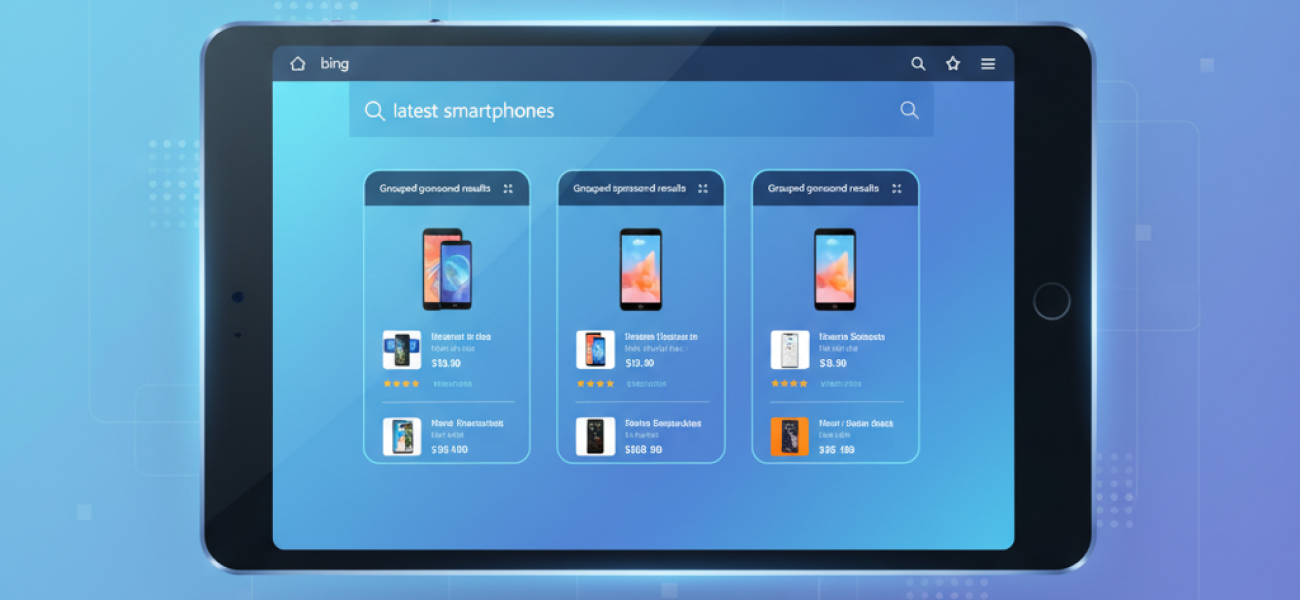
Microsoft’s latest Bing experiment features a design that groups multiple sponsored ad links under a single “Sponsored results” label. This innovative approach not only streamlines the appearance of ads but also makes them appear less intrusive to users. The first sponsored result retains a clear ad label, while subsequent ads beneath it appear without additional labels, which could blur the lines between organic and paid listings.
“By adopting this new format, Bing is essentially testing the waters of user engagement with ads that feel more integrated into the search experience,” says digital marketing expert Susan Farley. “This could lead to greater visibility for ads but also complicate user decisions.”
User Interaction: The Hide Button
An intriguing feature of this new layout is the incorporation of a “Hide” button, which allows users to collapse the entire group of ads. Conversely, users can click “Show” to bring the ads back into view. This element represents a significant shift in user control, as it provides an avenue for users to manage their ad visibility actively, potentially enhancing their overall search experience.
Comparative Insights: Following Google’s Lead
Microsoft’s design choices seem to closely follow Google, which recently deployed a similar ad grouping structure. The adoption of these tactics has sparked a wave of discussions, particularly regarding user engagement and ad click rates. According to data, a significant number of users reported accidentally clicking on ads due to the new design, raising concerns over clarity in ad disclosures.
In a recent survey on social media, Barry Schwartz noted, “63% of respondents admitted to unintentionally clicking on a sponsored ad after the implementation of Google’s ad grouping. It’s clear that this change could confuse users.”
Implications for Marketers: A Double-Edged Sword
Bing’s grouped “Sponsored results” layout presents both opportunities and challenges for marketers. On one hand, greater integration of ads with organic results may lead to increased visibility and higher click-through rates. On the other hand, the potential for accidental clicks could inflate advertising costs and reduce the overall efficiency of ad spend.
Ad Performance: Could This Change the Game?
The implications of changing ad architectures could significantly affect campaign performance. If users are more likely to engage with ads that look less disruptive and more like natural search results, marketers could see a spike in engagement metrics. However, this improvement may come at the cost of heightened bounce rates, especially if users are landing on pages they did not intend to visit.
“Marketers will need to recalibrate their campaign strategies as Bing continues to refine its approach to ad presentation,” suggests Steve Collins, an industry analyst. “What works today may not work tomorrow, especially with such fast-changing dynamics in ad visibility.”
User Experience: Walking a Fine Line
This redesign touches upon a fundamental aspect of online user experience: clarity. While integrating ads with regular search results can enhance engagement, it poses risks of misleading users. As user preferences evolve, companies like Microsoft must balance the need for advertising revenue with the necessity of transparent user experiences to retain credibility.
The Competitive Landscape: Staying Ahead
As Microsoft tests this ad format, the competitive landscape for search engines continues to heat up. With Google already facing scrutiny for user experience pitfalls following similar changes, Bing’s move may either affirm or challenge existing market dynamics. Advertisers and SEO professionals will have to stay vigilant and adaptive to these changes to ensure they maintain effective campaigns.
Further Reading: The Future of AI in Marketing
The interplay between AI technology and marketing strategies is becoming increasingly pertinent. Ad platforms powered by AI, such as Google Ads automation, are vital in optimizing campaign performance across various channels. Bing’s recent changes also suggest an inclination towards leveraging AI in traditional marketing spaces to enhance effectiveness.
Conclusion: Embracing Change with Caution
As Microsoft pilots this new advertising design, it prompts a broader conversation about the evolution of digital advertising and the ethics surrounding user engagement. This change not only signals a potential shift in Bing’s advertising strategy but also invites scrutiny on how search platforms balance monetization with user experience. Moving forward, industry professionals must closely monitor these developments as they could carry significant implications for future campaigns and ad efficiency.
With the implications of these changes still unfolding, it remains imperative for marketers to remain agile in their strategies, adapting to both user feedback and emerging industry trends to achieve optimal results.

